KuVS Research School on Network and System Resilience
Exciting news! Last week, we held our third research school, the KuVS Research School on Network and System Resilience, at w3.hub in Berlin. We organized it together with the KuVS special interest group of the German Informatics Society (GI). For three days, 20 early-career researchers working on resilient networks and systems came together to share their research, learn from leading experts, and get their hands dirty in hackathons.
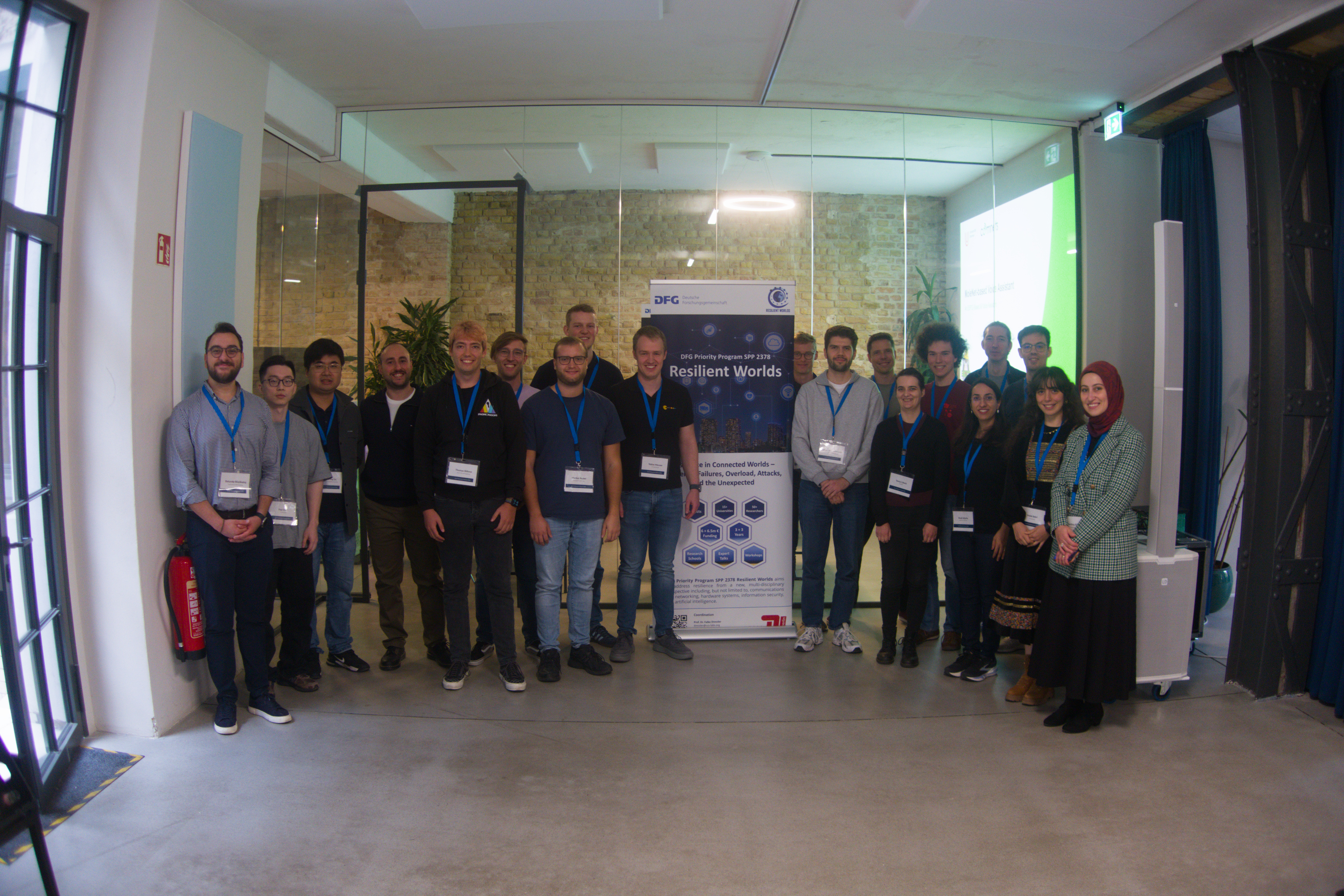
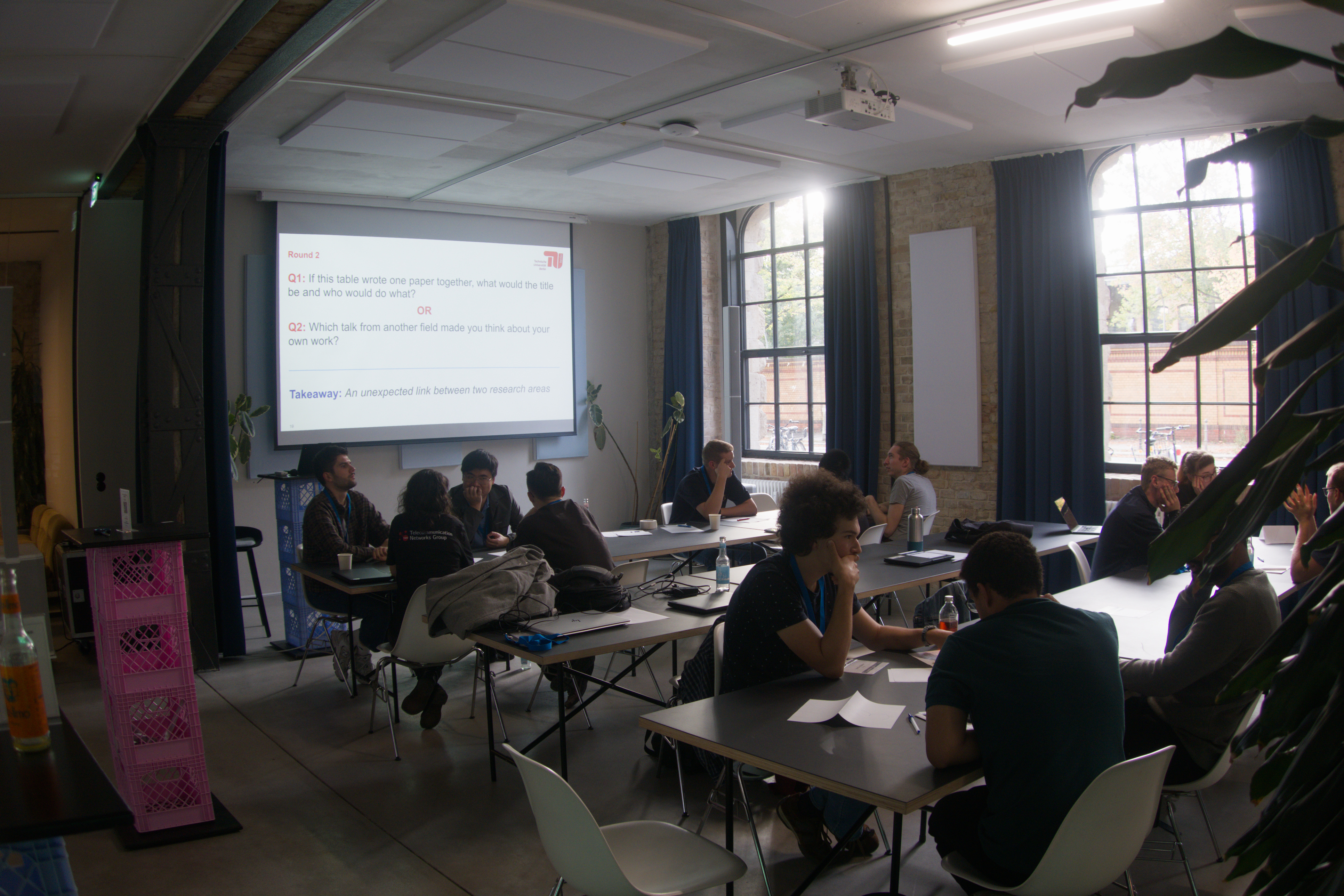
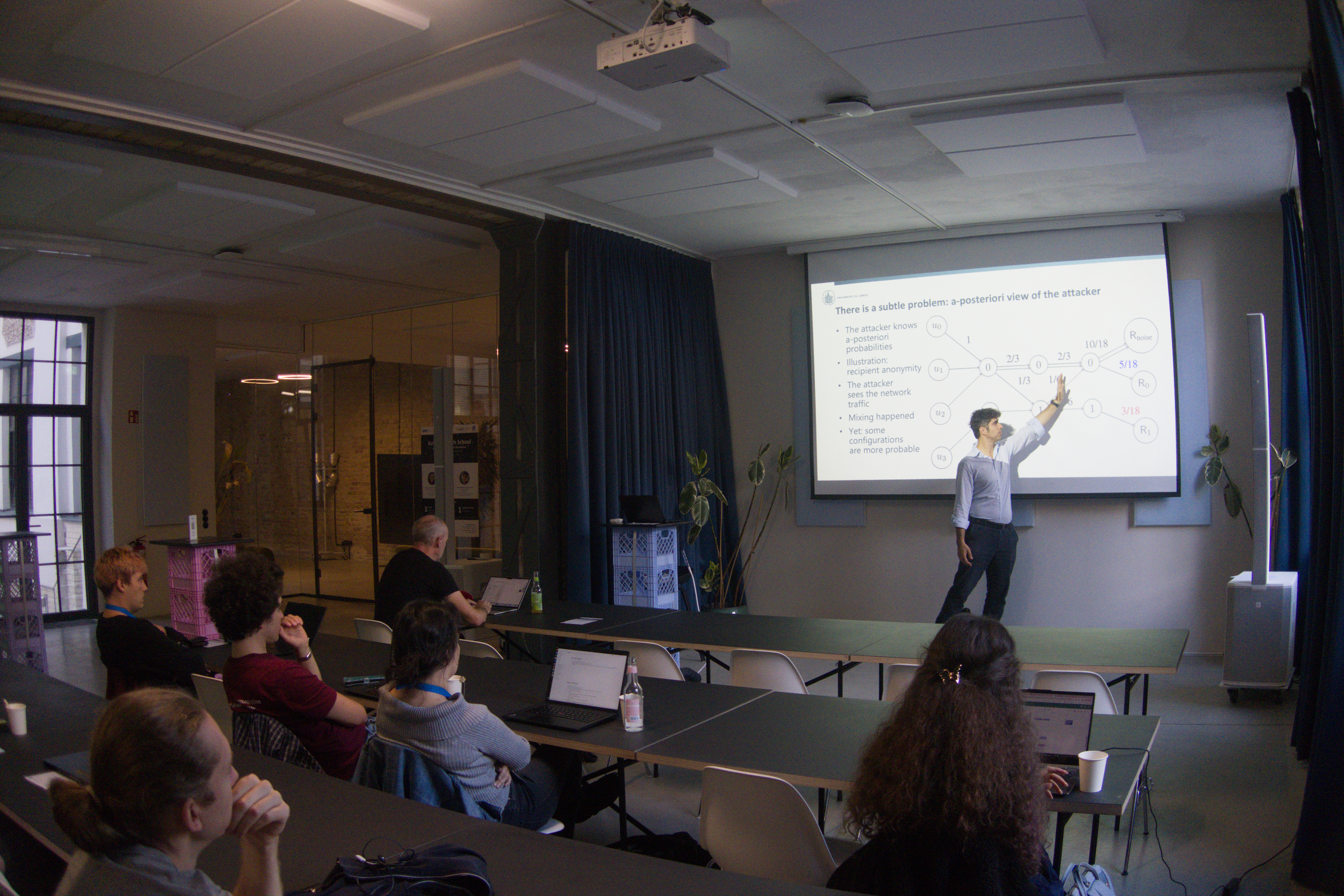
We kicked off with lightning talks, where each participant introduced their research and the challenges of their PhD journey. Guided group discussions then helped us spot common interests and potential collaborations. Our keynote speakers broadened the picture with three very different perspectives on resilience. Prof. Carmen Mas Machuca (University of the Bundeswehr Munich) showed how to plan and evaluate resilient networks. Prof. Falko Dressler (TU Berlin) discussed how virtual edge computing can keep services alive when infrastructure fails. Prof. Esfandiar Mohammadi (University of Lübeck) explained how even a few leaked bits can break anonymity in communication networks and data processing.
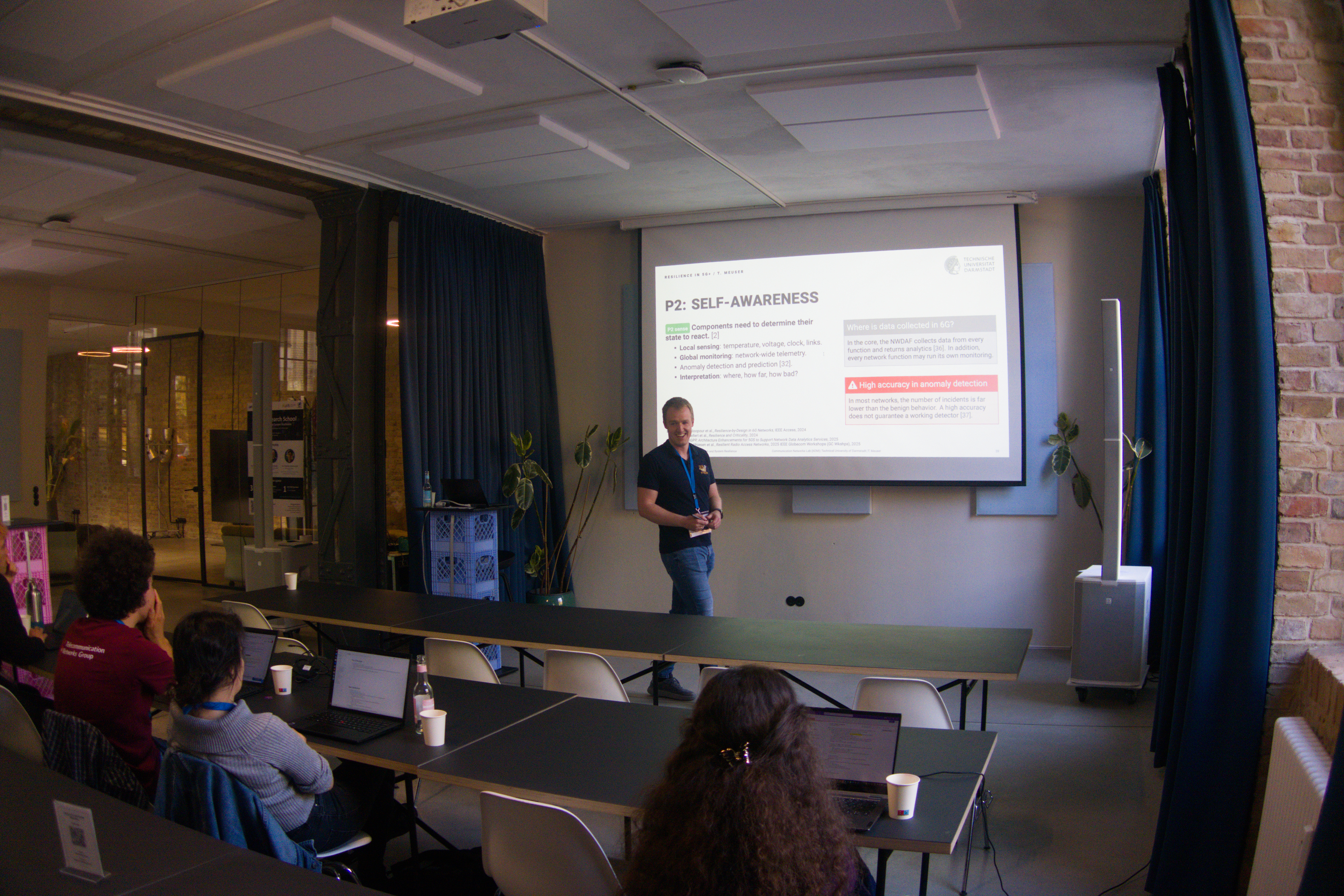
The mini-courses then took us deeper into selected topics. Dr. Tobias Meuser (TU Darmstadt) introduced resilience-by-design for 5G and beyond networks. Prof. Baturalp Buyukates (University of Birmingham) covered trust, incentives, and efficient adaptation in federated learning. Dr. Andreas Lund (German Aerospace Center, DLR) took us to space and showed how software systems are designed to survive radiation and the impossibility of physical maintenance. We also had a session with Dr. Jan Schmidt on using generative AI effectively and responsibly in research.
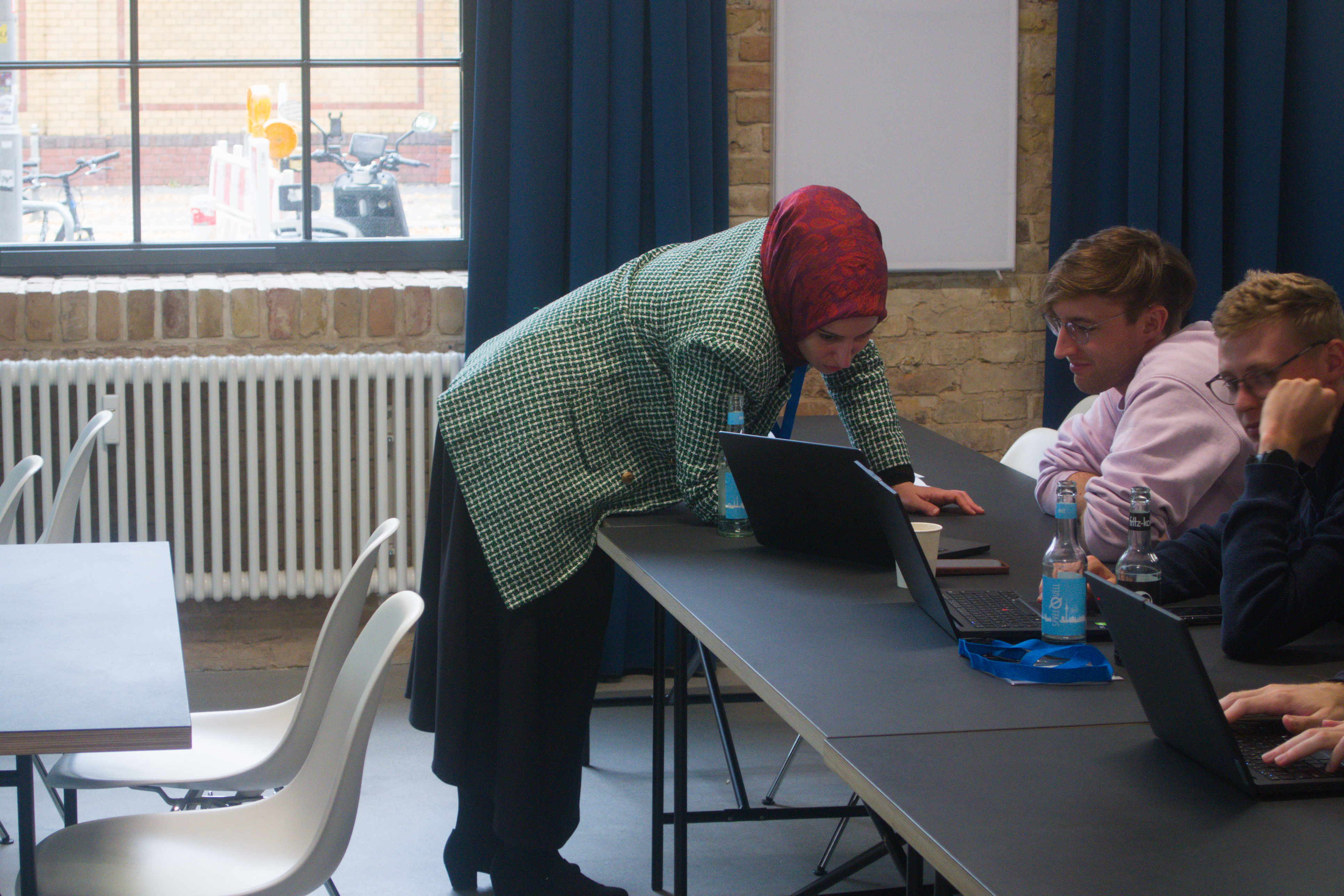
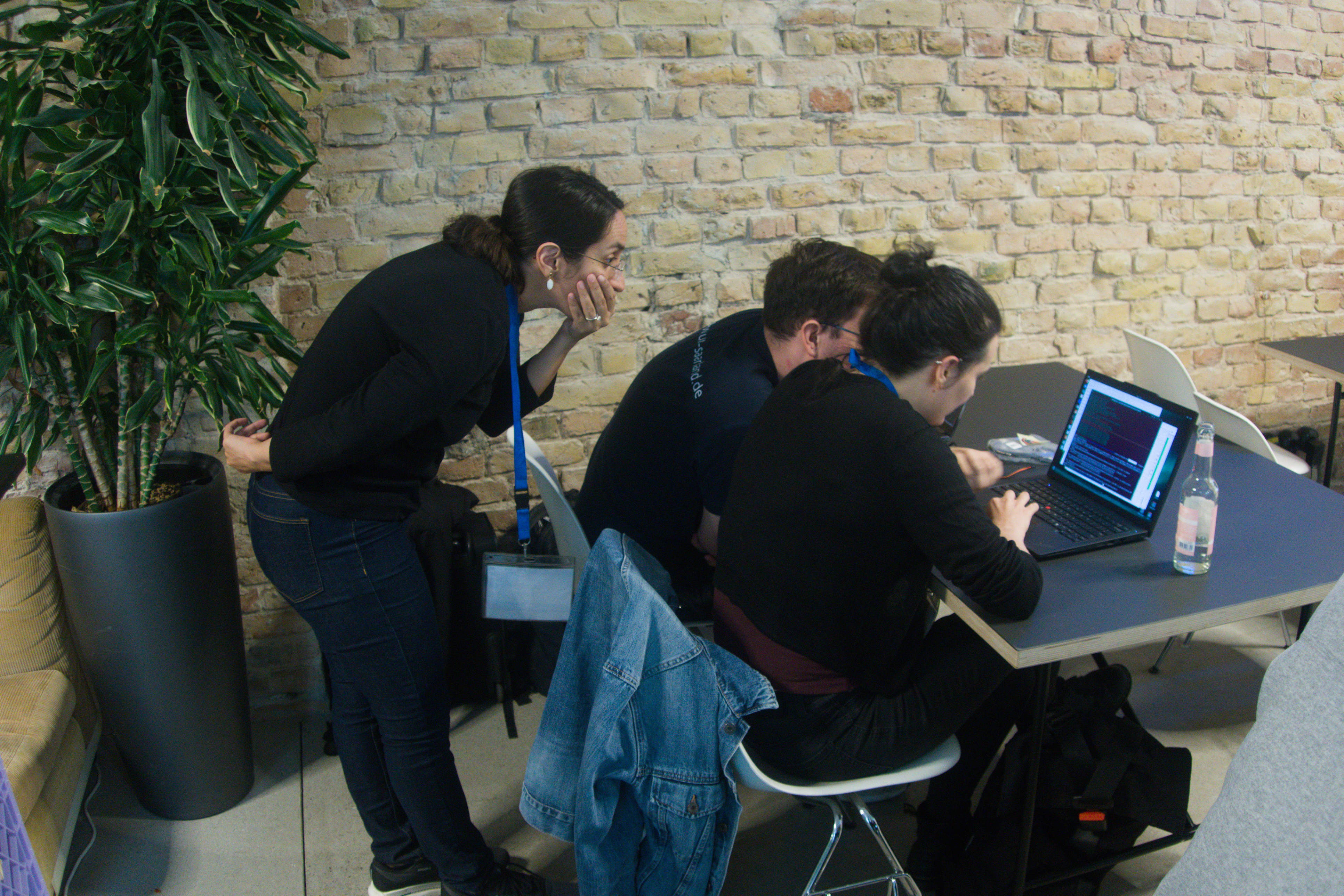
On the last day, we split into two parallel hackathons. In the first one, led by Dr. Nurefşan Sertbaş Bülbül (University of Hamburg), participants simulated a client-server network in OMNeT++ and INET, stressed it with congestion, flash crowds, and DDoS-like overload, and evaluated mitigation strategies. In the second one, led by Dr. Shadi Attarha (University of Bremen), participants built an edge AI voice assistant on the ESP32 and explored how it can adapt, for example by switching between cloud and local processing, when the network or the cloud service degrades.
A big thank you to all our speakers, to the participants for their energy and openness, and to our co-organizers Dr. Shadi Attarha and Dr. Nurefşan Sertbaş Bülbül. The research statements of the participants will be made publicly available alongside a final school report, so stay tuned!
Hope to see everyone working towards building future resilient worlds at our next event very soon!